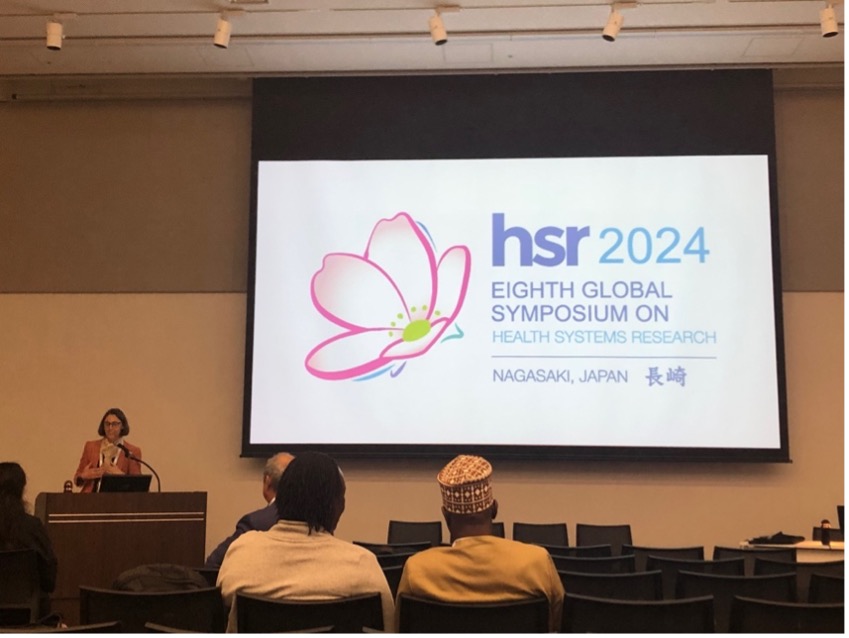
On 21st November 2024, our project lead, Professor Stephanie Topp chaired an Oral session titled “The Politics of Health Workforce Policy: Labour Dynamics, Governance, and Reform Efforts”. This panel was organised as part of the Eighth Global Symposium on Health Systems Research, held in Nagasaki, Japan from 18-22 November.
Engaging with HSR 2024 theme “Governance and institutional Frameworks”, this panel focused on exploring the complexities between health workforce, governance structures, and the efforts to reform health workforce policies. The panel touches on the dynamics in heath workforce (such as precariousness of health workforce, retention of healthcare professionals) and how these dynamics intersect with political reforms (such as reforms in primary health care policies); and analyse the political processes (such as bargaining, corruption) and roles of political actors (such as unions, public and private health care sector) involved in these processes.
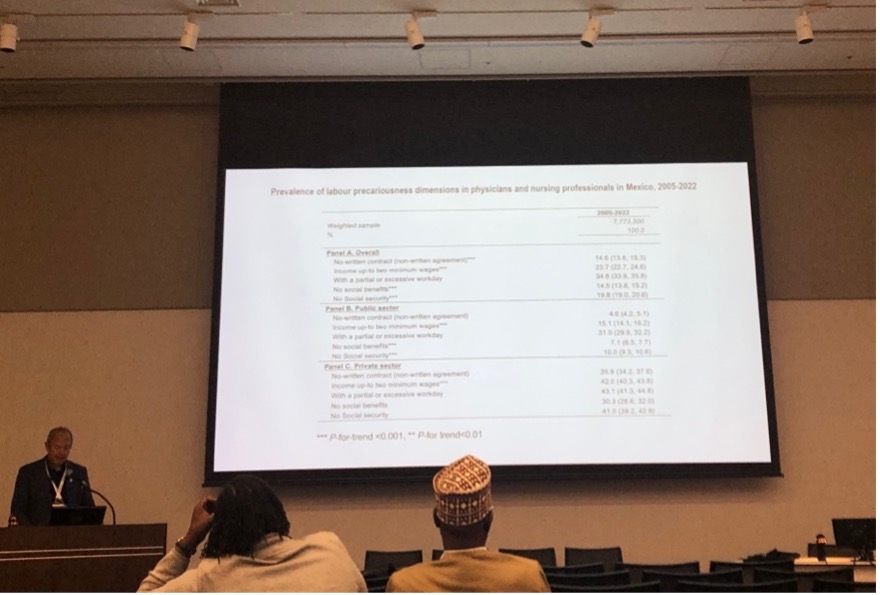
The opening paper by Gustavo Nigenda investigated the new dynamic in labour condition in health system in Mexico. It explored the level of precariousness employment for doctors and nurses before and after the pandemic and shows no signs of reduction in the precariousness in the Mexican labour health workforce 3 years after the pandemic.
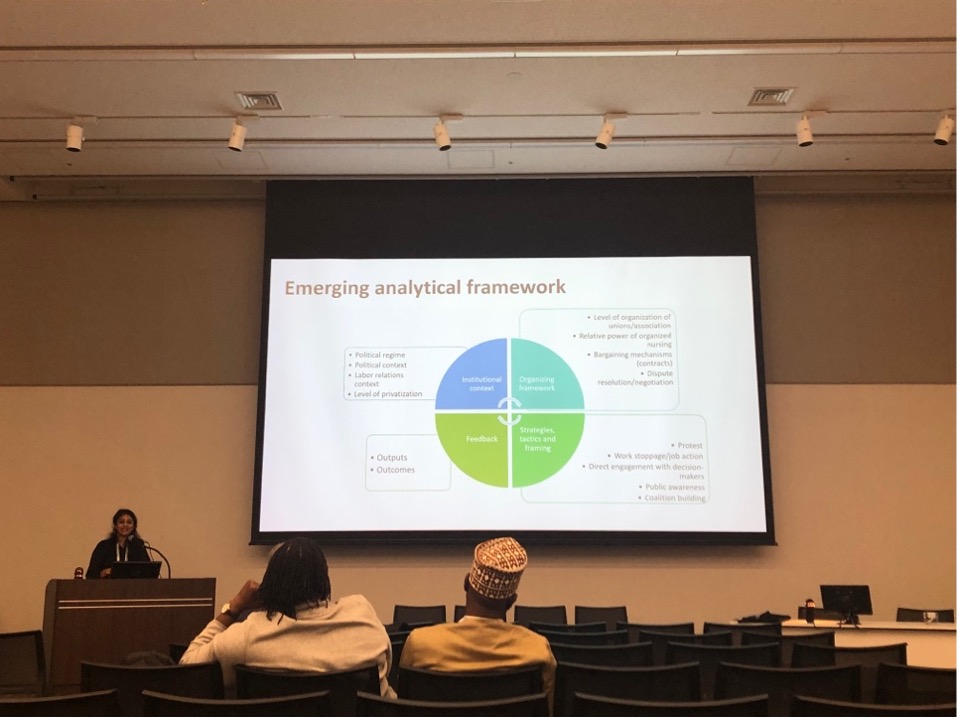
The second paper by Veena Sriram investigated the interconnectedness between political economy of healthcare and policy priorities of union and associations in India, Canada and the United States. It showed that the bargaining power and ability to achieve outcomes is influenced by labour organising framework for the profession and extent of private involvement/ideology in the healthcare system. The paper finds that, in response, unions/ associations are engaging with progressive political initiatives, yet they face challenges with ideologically divided members.
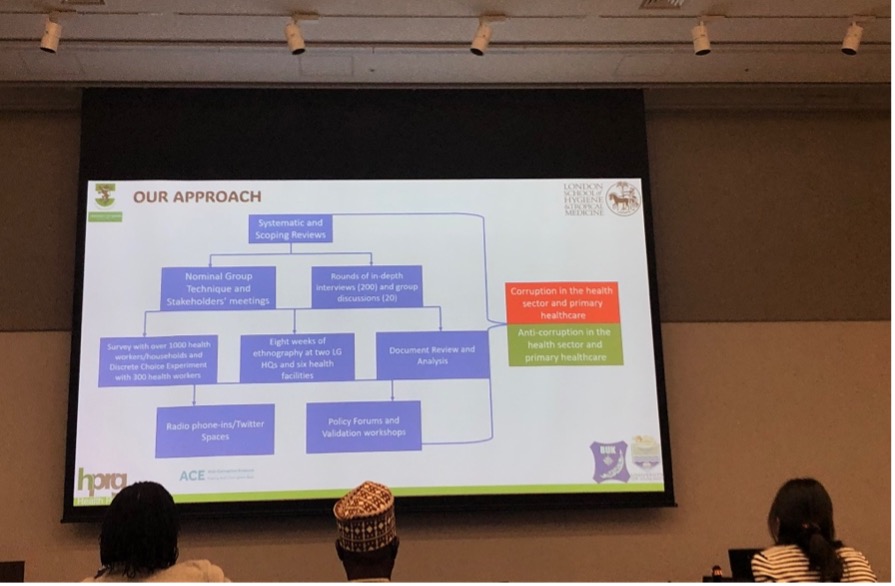
Paper 3 by Prince Agwu explored the impacts of subnational governance deficiencies in Nigeria on the district healthcare managers and their experience with the resulting corruption.
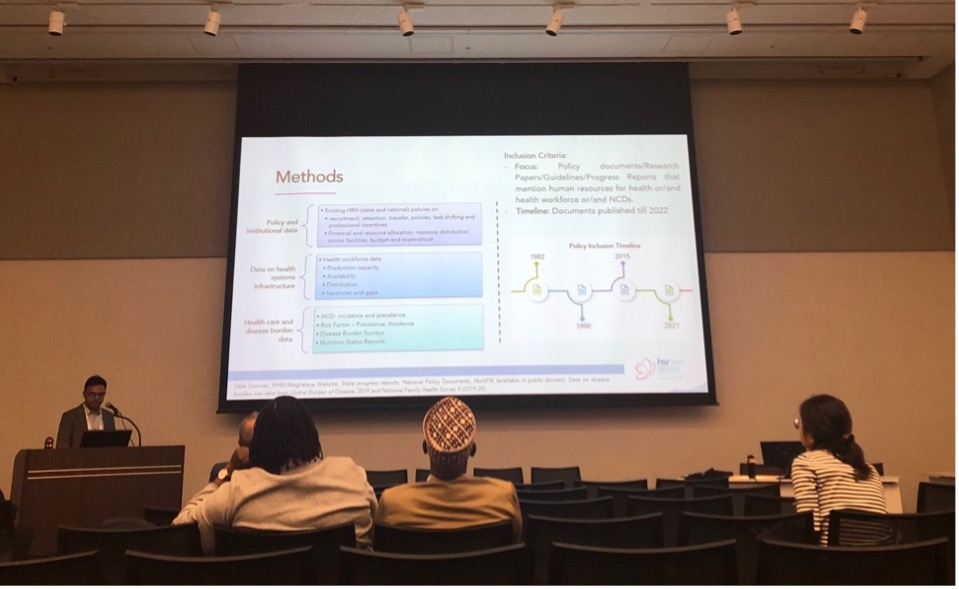
Finally, Paper 4 by Ankur Shaji Nair discussed the formulation of health workforce policy to deal with the increasing non-communication diseases in Meghalaya. It shows the centralised process of health workforce policy formulation which prioritises on administrative reform – Specialist Cadre created while no Public Health Cadre. While there was a high level of institutionalism (focusing on creating Directorates for providing clear progression pathways for Doctors and Specialists with only specialities focused on Maternal Child Health, Reproductive Health, CDs -TB, Leprosy), there was no major change in composition and strength of Cadres since 1980s.